Need stump grinding in Beverly?
Request a callback to check provider availability, or send the request form with a few details about your tree. No obligation.
No obligation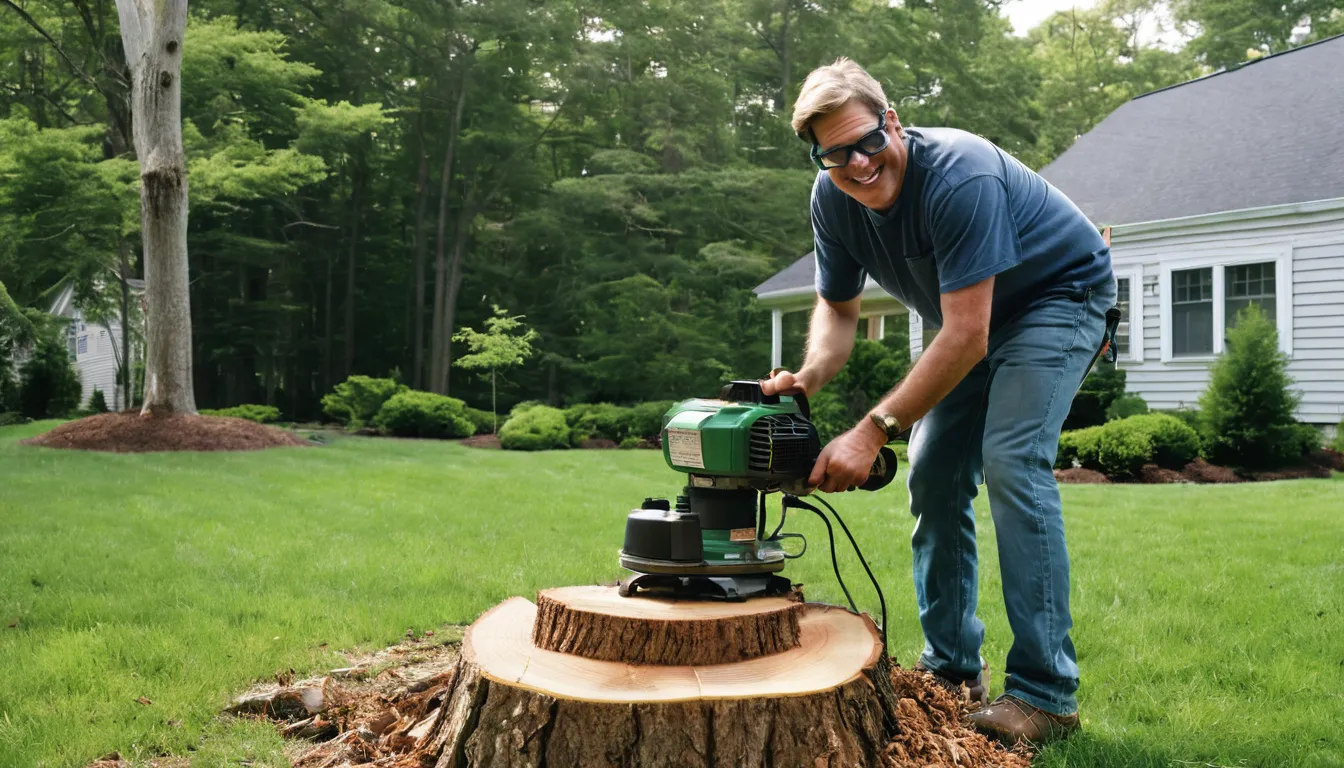
A leftover stump is more than an eyesore. It trips people, snags mowers, hides pests and eats up space you could use for grass, a garden or a patio. Grinding is the usual fix. A provider runs a machine across the stump and turns the wood into chips below ground level.
Rolledshortly Tree Service is a referral service. We do not grind stumps ourselves. We connect homeowners in Beverly, MA with independent local providers in our network who do. You describe the stump, the provider asks a few questions, and you get a real conversation about timing and price. Ask for the quote in writing so you know what the job includes before anyone starts.
A stump looks harmless. It's just wood sitting in the grass. But it hangs around for years and gets in the way. Small problem, early call. Request a callback to check provider availability for stump grinding near you.
A stump hides in tall grass. You hit it with the mower, or your toe finds it first. Kids and pets find it too.
Dead wood draws carpenter ants, termites and beetles. Fungus pops up in damp spots. If your older home has wood trim or a wood porch nearby, pests can move from the stump toward the house.
Some trees send up new shoots from the stump and roots. You cut them back and they return. Grinding stops most of that.
A provider brings a grinder with a spinning wheel of hard steel teeth. They sweep it side to side across the stump. The wood turns into chips. Most providers grind several inches below the surface. A deeper grind costs more, but it's worth it if you plan to plant on the same spot.
The machine throws chips and dirt. Expect a mulch pile when it's done.
Renting a grinder for a big stump sounds like a good weekend project. It often isn't. The wheel kicks out stones and wood fast. Pipes, drain tile and buried lines may sit close by. Know when to stop and hand it to a provider who does this every week.
Grinding shreds the stump below ground level. The roots stay and rot slowly. Full removal digs out the stump and the big roots. It leaves a larger hole and costs more.
Most homeowners pick grinding for lawns and garden beds. Pick full removal if you plan to pour a slab or set a footing right there. Ask the provider which fits your plan.
Size matters most. A wide stump takes longer. Other things move the number too:
Quote in writing. It should list the stump count, the grind depth and what happens to the chips. The table on this page shows typical U.S. ranges. Your job may land outside them.
Gas, water, electric and data lines can run through a yard. Most areas have a utility locate line, usually 811, that marks them before digging. Ask the provider whether a locate is needed for your job.
Frozen ground is hard on a grinder and hides what's underneath. Spring snowmelt leaves soft, muddy yards where machines sink and tear up turf. Many homeowners book once the ground is firm, from late spring through fall. Ask the provider what works for your yard.
Maybe you bought the house with a stump already in the yard. Or a storm took a tree and it was cut low. Old stumps are still worth grinding. Rotted wood is softer, so grinding can go faster. But hidden rocks and metal bits can show up. Tell the provider how old the stump is and what you know about the spot. Spikes, wire and old clothesline hide in stumps more than you'd think.
Shovel out most of the chips, then backfill with topsoil. Pack it down. Chips left in a thick pile can tie up nutrients in the soil, so don't plant straight into pure chips.
Rake the spot smooth, spread grass seed and water lightly. For a new tree, ask the provider to grind deeper and clear the roots first. Pull any shoots that pop up. The soil may sink as old roots rot over a year or two, so top it up when it does.
Take a few photos of the stump and the path to it. Note the width and any roots above ground. Then request a callback to talk with an independent provider, or send a request and compare quotes.
A provider grinds the stump below ground level so you can mow, plant or build over it.
The provider looks at stump size, roots, access and nearby lines before giving you a price.
Ask whether chips stay as mulch, get hauled off, or get used to fill the hole.
Get the stump count, grind depth and total price in writing before any work begins.
Prices vary by stump size, species, roots and access. These are typical U.S. ranges only. Ask each provider for a written quote that spells out exactly what is included.
| Item | Typical range | Notes |
|---|---|---|
| Small stump (under 12 in.) | $100 – $250 | Easy access, soft wood, quick job |
| Medium stump (12 – 24 in.) | $150 – $450 | Most common yard stump size |
| Large stump (over 24 in.) | $300 – $900 | Wide base and big roots add time |
| Several stumps, one visit | $100 – $400 each | Per-stump price often drops |
| Hard access or slope | $100 – $350 extra | Narrow gates or hills need extra labor |
| Chip hauling and backfill | $50 – $250 | Depends on volume and distance |
Share the size, location and any roots showing so the provider can picture the job.
Ask about availability, grind depth, access and chip cleanup before you decide.
Get the price and the scope in writing, then compare.
Clear the area, mark any lines, keep kids and pets inside while the grinder runs.
Skip the long hunt. We connect you with independent local providers so you can get answers sooner.
We refer. Independent providers do the grinding.
Know what drives the cost and ask for a written quote.
Do what's safe yourself and know when to stop.
Request a callback to check provider availability, or send the request form with a few details about your tree. No obligation.
No obligationMost U.S. jobs run from about $100 for a small stump to $900 or more for a large one. Species, roots, access and cleanup change the price, so ask for a written quote.
You can rent a grinder, but it's rough work. The wheel throws stones and wood, and buried lines may be close by. For big stumps, a provider is the safer choice.
You can often seed grass once you backfill with topsoil and pack it down. For a new tree, ask the provider to grind deeper and clear roots first. Give the soil time to settle.
Request a callback to check provider availability, or send the request form with a few details about your tree. No obligation.
No obligation